A contractor quote tells you what a job will cost according to that contractor's assumptions. It doesn't tell you exactly what those assumptions are, which materials they've included, what happens at the edges of the work, or how disputes will be resolved if the scope expands once the walls are open.
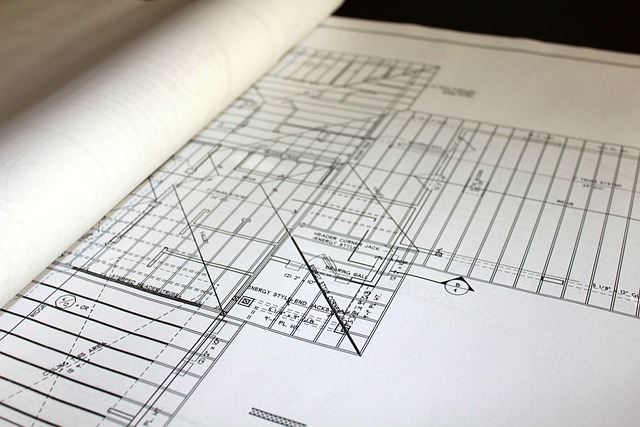
A scope document is the agreement on what the job actually is, written in enough detail that two different contractors bidding on it would produce comparable numbers. Most homeowners never see one because most contractors don't produce them — the ambiguity often works in the contractor's favour.
What it includes
A proper scope document covers five categories of information.
Work definition: a description of every task included in the project, broken down by trade. Not "kitchen renovation" but "removal of existing kitchen units and appliances, demolition of non-load-bearing partition wall between kitchen and dining room, installation of new kitchen units and worktops as specified, electrical work for new circuit to island hob, plumbing work for relocated sink position." Each element distinct, with nothing left as an implied general.
Material specifications: for everything that can vary significantly in price or quality, a minimum specification. Not "tiles" but "600x600mm porcelain floor tiles, minimum 8mm thickness, specified by client before work commences." This closes the gap between what the contractor quotes and what you actually end up with when they've used the cheapest option they could find.
Exclusions: an explicit list of what is not included. This matters as much as the inclusions. If electrical and structural work are excluded, that needs to be stated clearly, not left as an assumption that the client will have to resolve if they come up later.
The sequence section
A scope document also covers trade sequence: the order in which work happens and the dependencies between trades. This is where most renovation timelines break down. Electrical rough-in has to happen before plastering. Plumbing has to happen before tiling. If one trade is late, everything behind it moves. A document that captures these dependencies lets you track the project against a logical sequence rather than against a generic "6 to 8 weeks" estimate that nobody is actually accountable to.
For smaller projects, the sequence section is brief. For projects involving multiple trades — an extension, a full-floor renovation — it can be the most important part of the document.
What happens without one
The most common dispute pattern in renovation is something like this: a client asks for a bathroom renovation. The contractor quotes for it. Work starts. The plumber opens a wall and finds old pipework that needs replacing. The contractor says this is additional work, not included in the quote. The client expected it to be covered. Both are, in different ways, correct.
A scope document doesn't eliminate this kind of situation — hidden conditions are genuinely unpredictable — but it establishes a clear baseline for what was included in the original price, which makes the conversation about variations much more straightforward. Without one, every unexpected item becomes a negotiation about what was originally promised.
Who produces it
Ideally, the scope document is produced independently — by a consultant, an architect, or someone else with no financial stake in the work itself. The problem with asking the contractor to produce the scope document is that they're defining their own brief, which creates obvious room for ambiguity in their favour. This doesn't mean contractors are dishonest — most aren't — but it creates a structural imbalance that a homeowner who hasn't done this before may not notice until something goes wrong.
At minimum, if you're going to rely on a contractor-produced scope, you should review it carefully for what's missing rather than for what's included. The gaps matter more than the content.